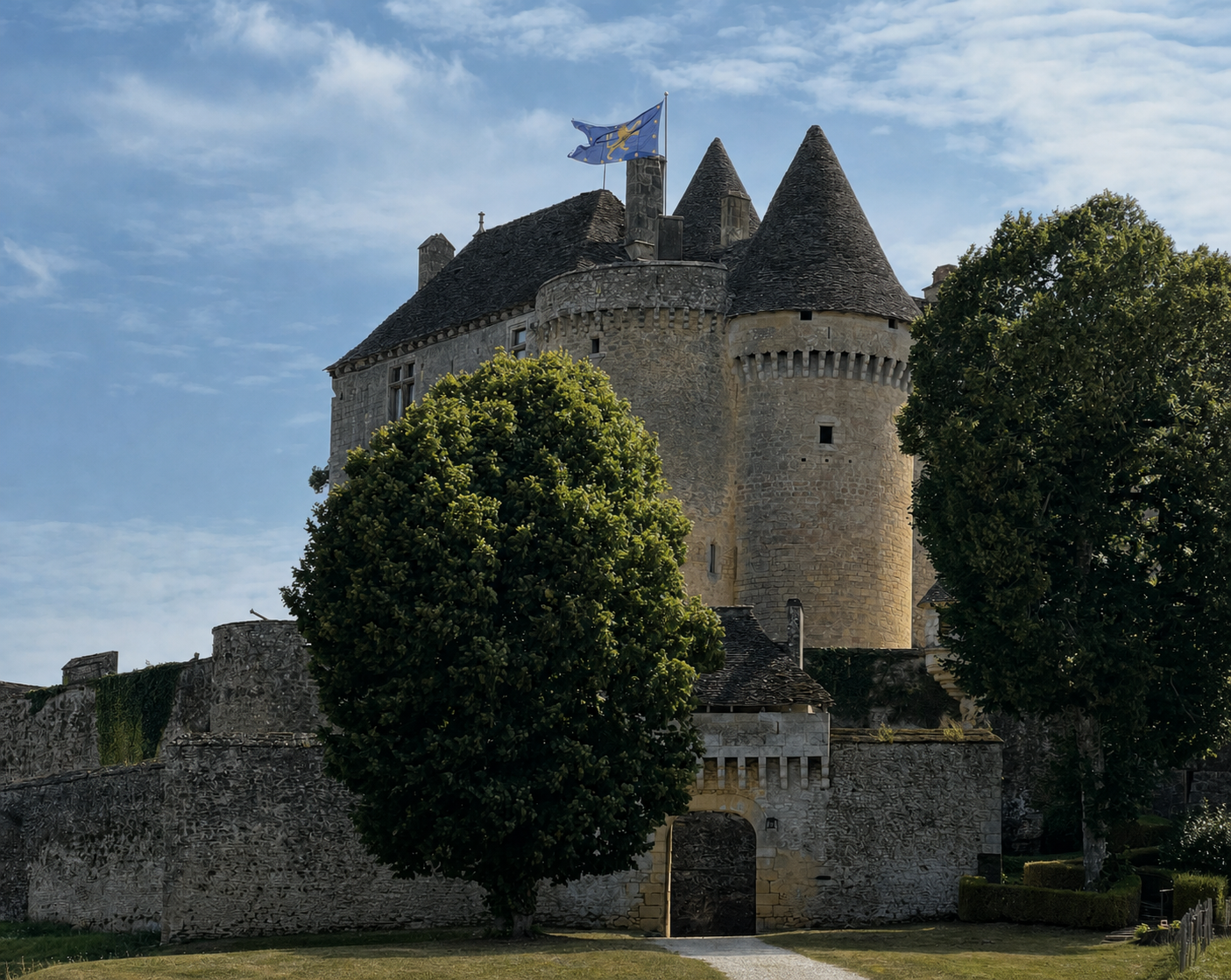
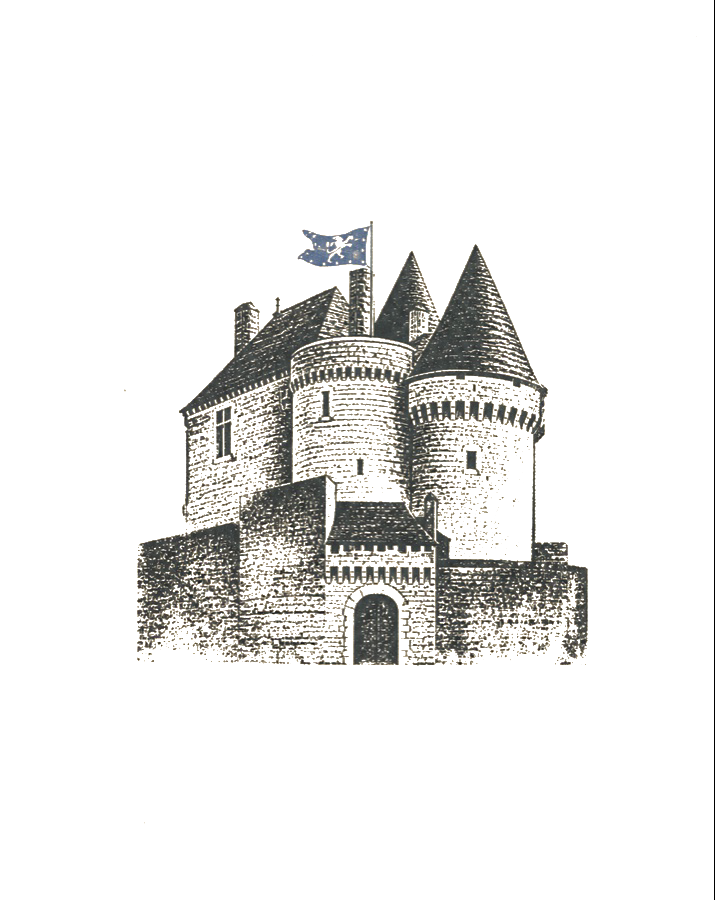
CHÂTEAU DE FÉNELON No. 01 lauze roofs / triple enceinte / cathars Périgord Noir, France An 11th-century castrum grew into a fortress of triple enclosures above the Dordogne and Bouriane valleys. A Cathar refuge, wartime stronghold, and birthplace of writer Fénelon in 1651, it is unmistakable for its steep lauze roofs.
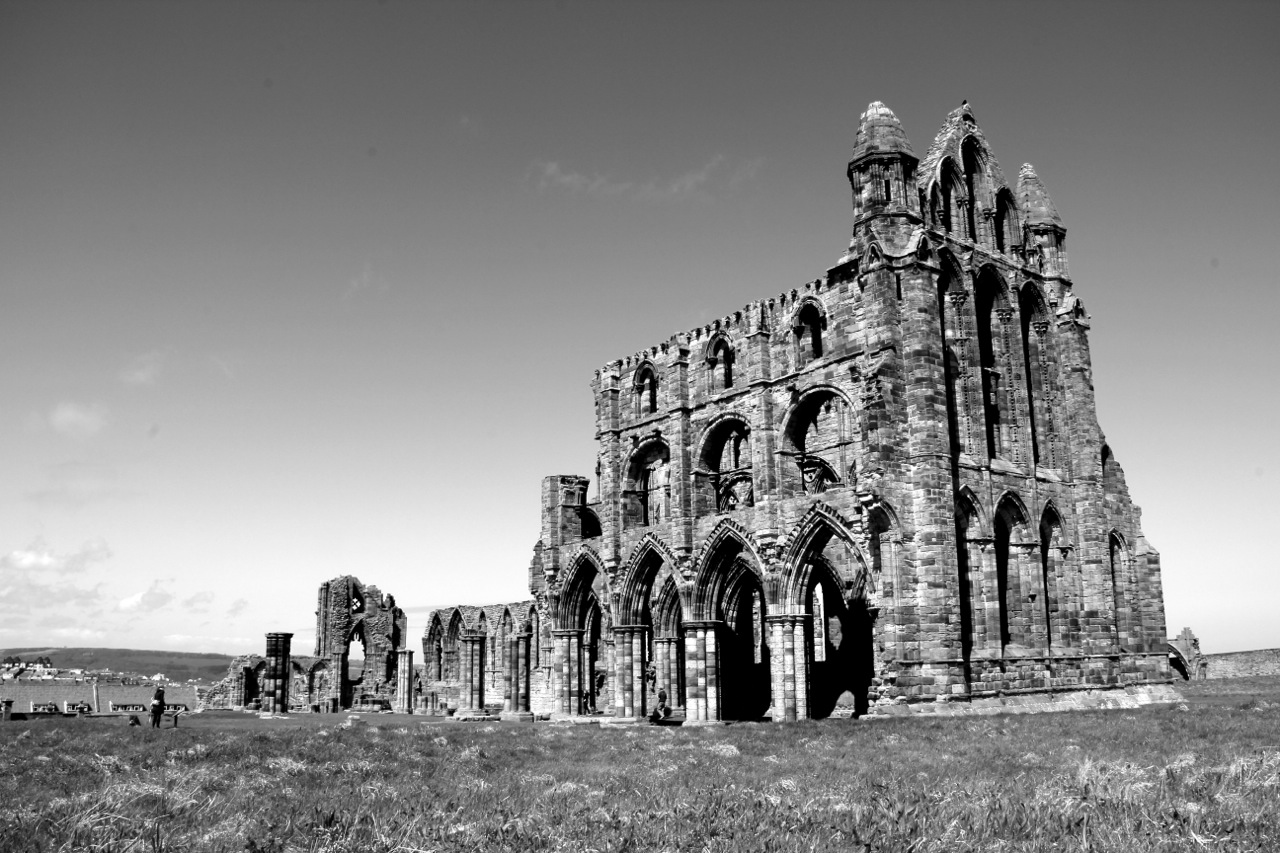
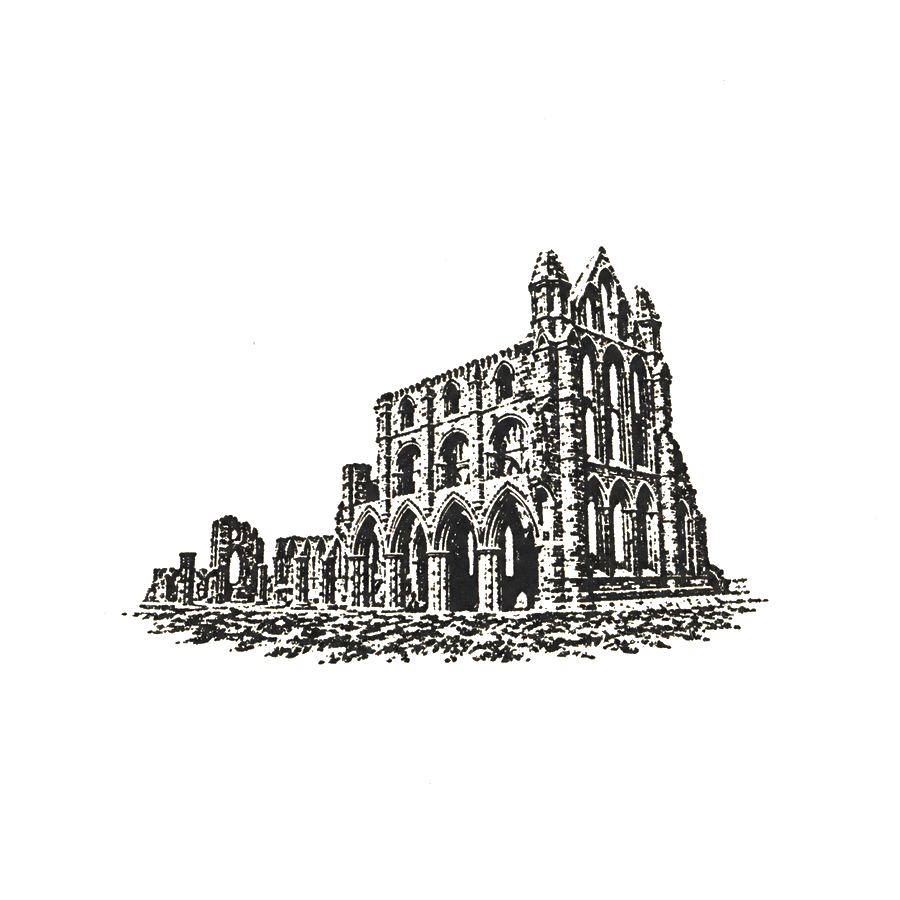
WHITBY ABBEY No. 02 gothic ruins / synod / headland North Yorkshire, England Abbess Hild founded a monastery here around 657; the Synod of Whitby in 664 helped settle the English church's alignment with Rome. The great Gothic shell is the later Benedictine abbey, suppressed in 1539 and still gripping the cliff above the North Sea.
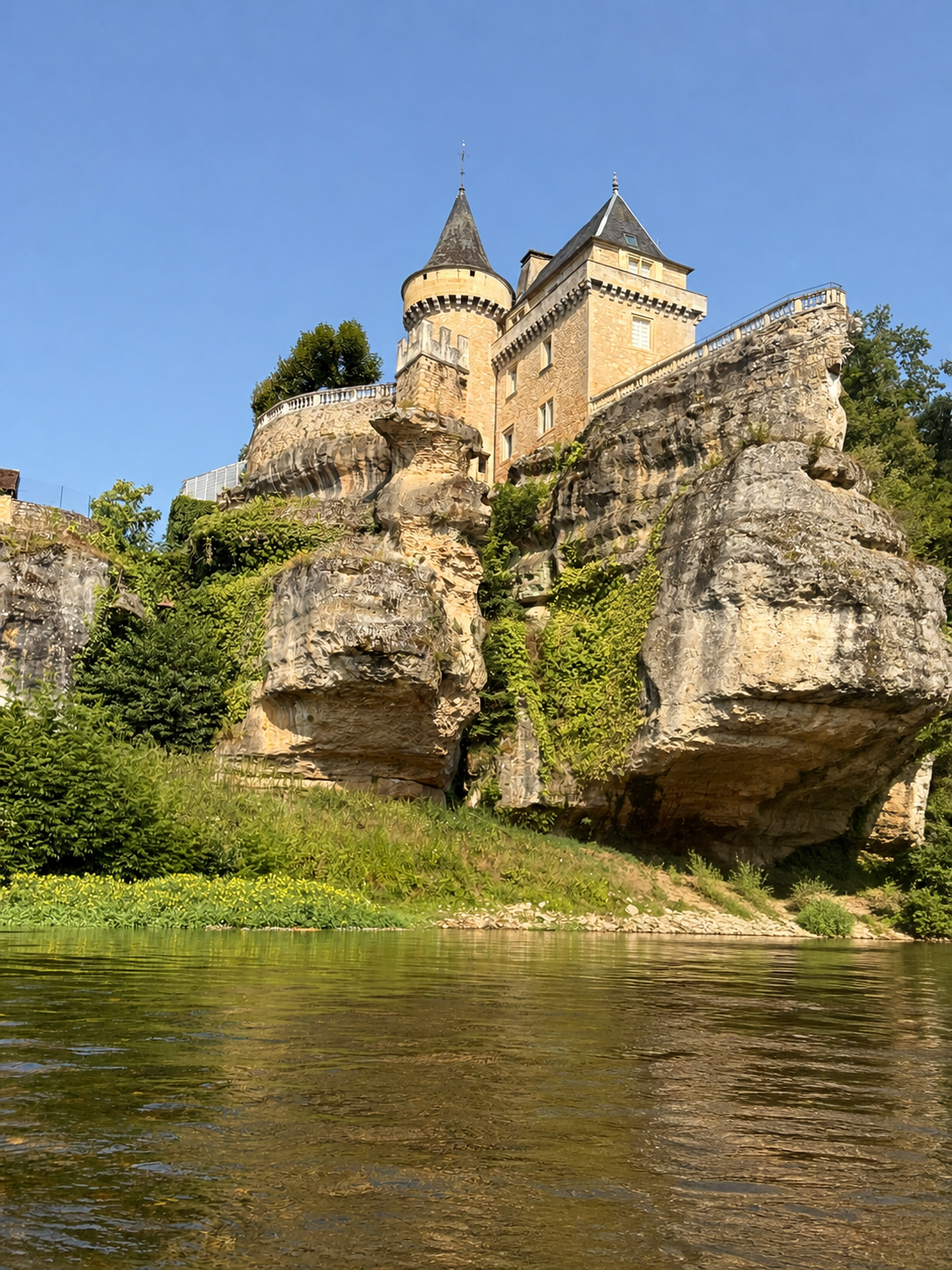
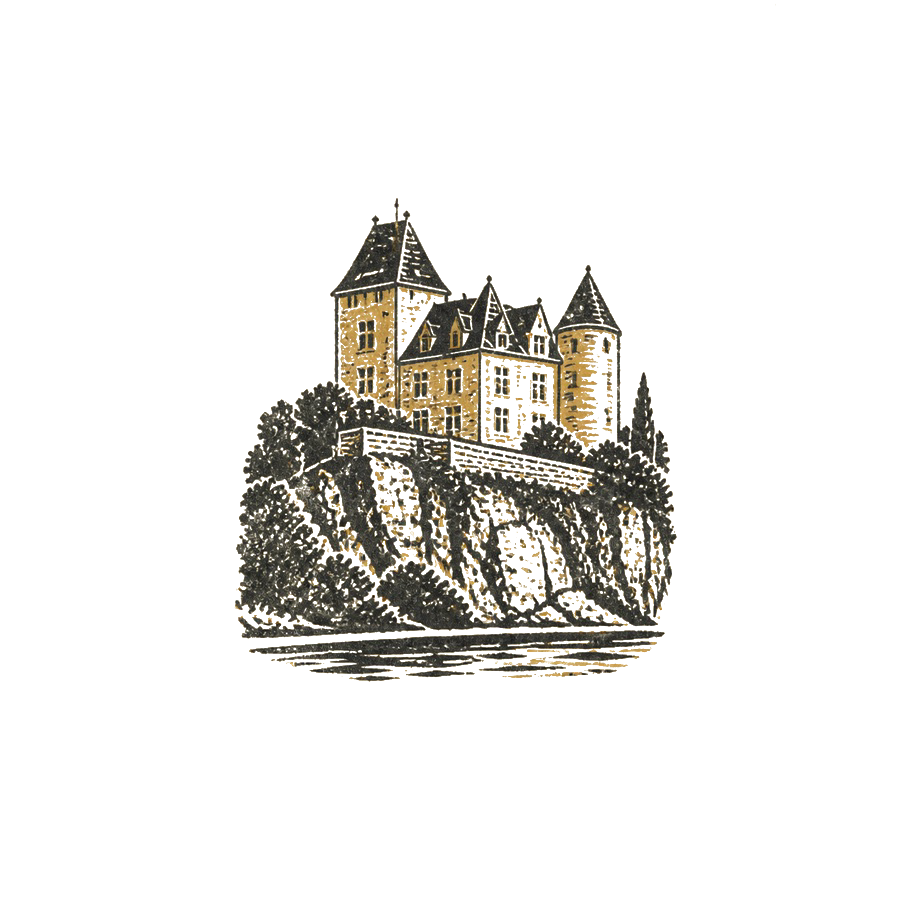
CHÂTEAU DE LOSSE No. 03 river cliff / renaissance / stronghold Vézère Valley, France The Losse family built its stronghold on the Vézère's right bank in the 11th century. In 1576 Jean II de Losse inserted a Renaissance residence and terrace within the medieval defenses, keeping the fortified silhouette above the river.
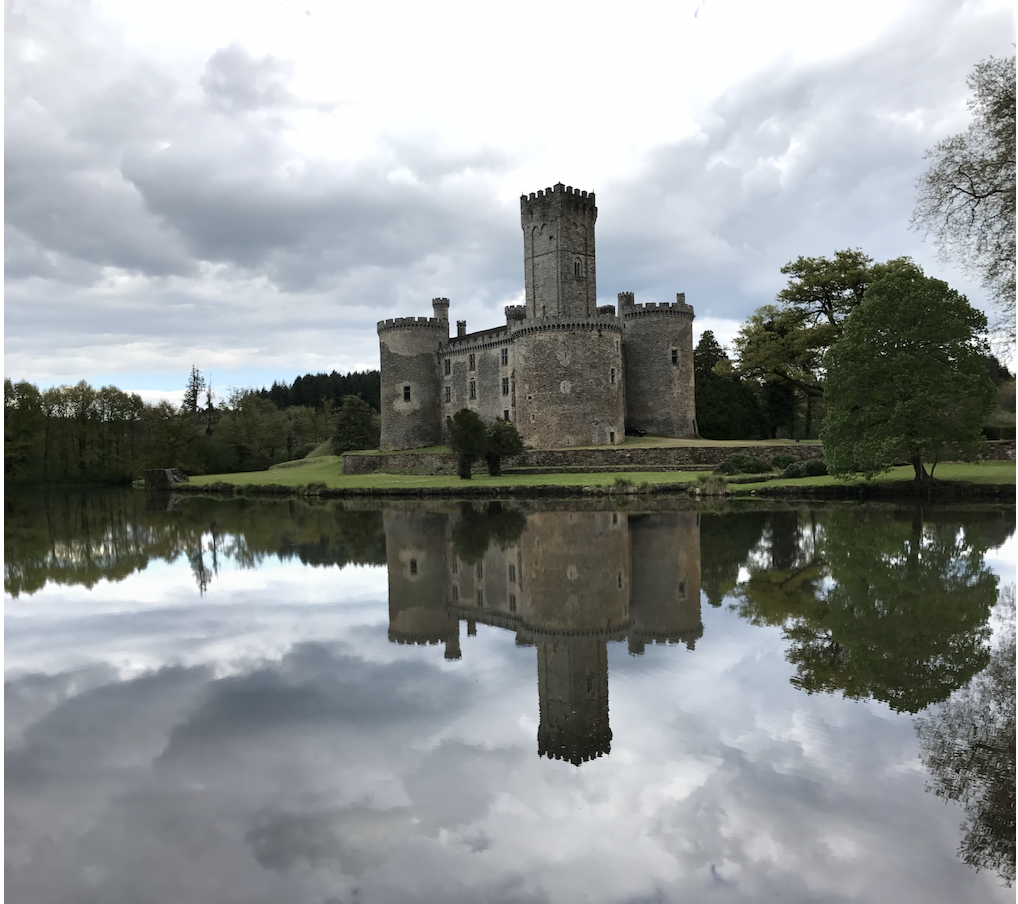
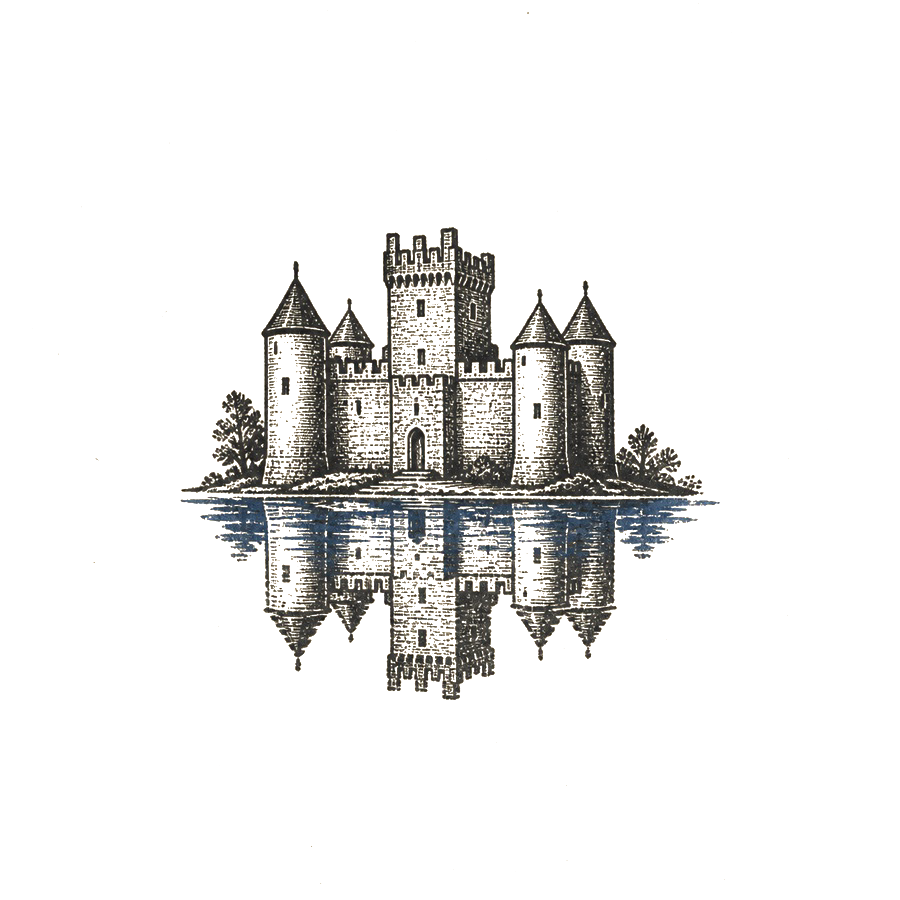
CHÂTEAU DE MONTBRUN No. 04 water mirror / keep / haute-vienne Dournazac, France Montbrun is a 12th- and 15th-century fortified castle, its round towers gathered around a high central keep. The surrounding pond repeats the whole fortress with remarkable precision: architecture doubled as landscape.
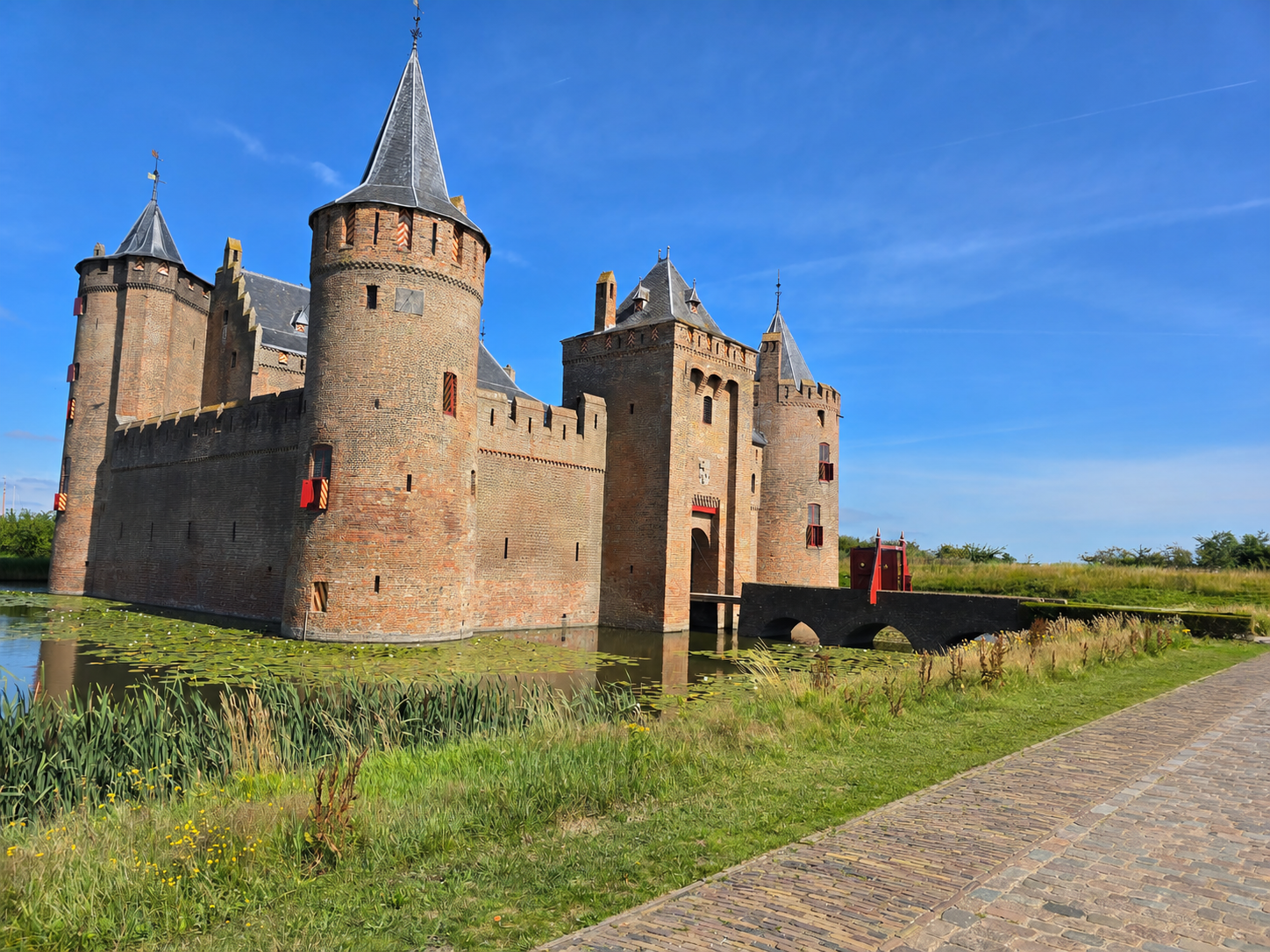
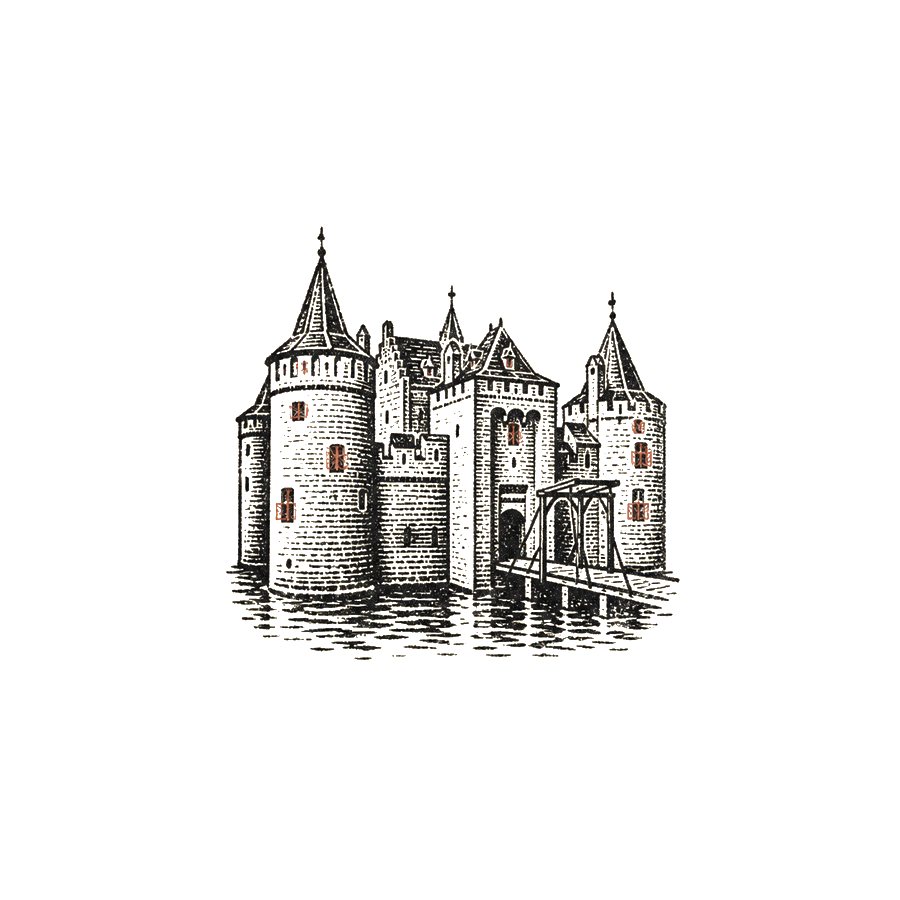
MUIDERSLOT No. 05 moat / floris v / vecht Muiden, Netherlands Count Floris V commissioned this moated castle around 1285 at the strategic mouth of the Vecht and the Zuiderzee. Its compact brick mass, towers, drawbridge, and water defenses make the medieval purpose instantly legible.